


The Allure of Gambling: Understanding Attraction
The psychology behind casino betting behavior begins with understanding the allure that draws individuals into gambling environments. Casinos are uniquely designed to create an atmosphere of excitement and anticipation, which stimulates the brain’s reward system. The bright lights, vibrant sounds, and the mingling of diverse people contribute to an immersive experience that can be hard to resist. For many, this sensory overload enhances the thrill of potentially winning big, making the act of betting feel appealing and almost irresistible. Gamblers often seek out the best online slots, looking for those moments of joy and excitement.
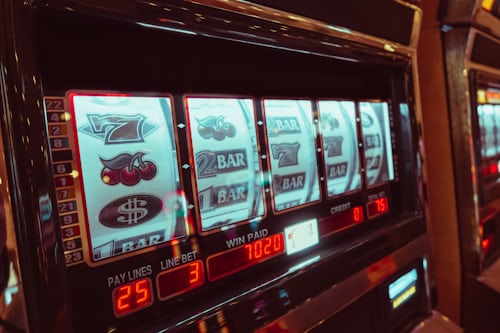
Moreover, the social aspect of gambling plays a significant role in attracting people. Gamblers often seek the companionship of others, whether it’s friends or strangers, to share in the experience. This communal aspect can amplify the emotional highs and lows associated with gambling, further intertwining social interaction with betting behavior. Understanding these psychological triggers is essential in recognizing why many feel drawn to the casino environment.
The Role of Cognitive Biases in Betting
Cognitive biases significantly influence how individuals approach betting in casinos. Common biases, such as the illusion of control, lead players to believe that they can influence the outcome of games of chance. This false perception can encourage gamblers to engage more frequently, as they feel a sense of agency even in games that are purely luck-based. For instance, a player may believe that their choice of numbers in a lottery can improve their odds of winning, despite the randomness of the draw.
Another prevalent cognitive bias is the gambler’s fallacy, where individuals believe past events affect future outcomes. For example, a player may assume that a slot machine is “due” for a payout because it has not paid out recently. This flawed reasoning can result in increased betting, as gamblers chase losses or anticipate wins that are statistically unlikely to occur. By understanding these biases, we can better comprehend the psychological mechanisms at play in a casino setting.
Emotional Factors: The Highs and Lows of Betting
Emotions play a pivotal role in betting behavior, with players often experiencing a rollercoaster of feelings that can drive further gambling. Winning produces feelings of exhilaration and satisfaction, reinforcing the behavior through dopamine release in the brain. This chemical response solidifies the connection between the act of betting and the pleasure derived from wins, encouraging individuals to continue betting to replicate that initial high.
Conversely, losing can evoke powerful negative emotions such as frustration and disappointment. Many gamblers grapple with these feelings by returning to the casino, driven by the hope of recapturing their losses. This cycle can lead to risky betting behavior, as individuals may increase their bets in an attempt to recover financially, often leading to greater losses. Understanding how emotions intertwine with betting decisions is crucial for grasping the full scope of casino psychology.
The Impact of Environment on Betting Behavior
The environment of a casino is meticulously crafted to influence behavior, with every element designed to keep players engaged and betting. The layout of the casino, the placement of machines and tables, and even the serving of complimentary drinks all serve to create a welcoming and stimulating environment. This carefully curated atmosphere can significantly affect how much time and money individuals are willing to spend.
Additionally, the presence of other gamblers can intensify the desire to participate. Observing others winning or celebrating can create a competitive edge, prompting individuals to join in even if they initially had no intention to bet. Understanding how environmental factors play into betting behavior reveals the deeper psychological strategies that casinos employ to maximize patron engagement.
Insights from Liberationist.org on Casino Behavior
At Liberationist.org, the exploration of social behavior encompasses a wide spectrum of topics, including the psychological aspects of casino betting. By examining gambling through the lens of social justice and liberation, we can uncover the implications of addiction and exploitation within the gambling industry. Understanding the psychological triggers and societal impacts of casino behavior is vital for fostering awareness and addressing the underlying issues associated with gambling.
The insights provided by Liberationist.org aim to empower individuals with knowledge about the psychological factors influencing their decisions in various contexts, including gambling. Through education and awareness, we can encourage healthier approaches to entertainment and leisure while advocating for responsible gaming practices.